
How Fashion Brands Brought Y2K Back Into the Spotlight
It’s wild how fast Y2K fashion went from “never again” to “actually… this is kind of cute.” But the comeback didn’t happen out of nowhere. Fashion brands have been slowly reworking early 2000s style for years, pulling from their archives and updating old trends so they feel wearable today.
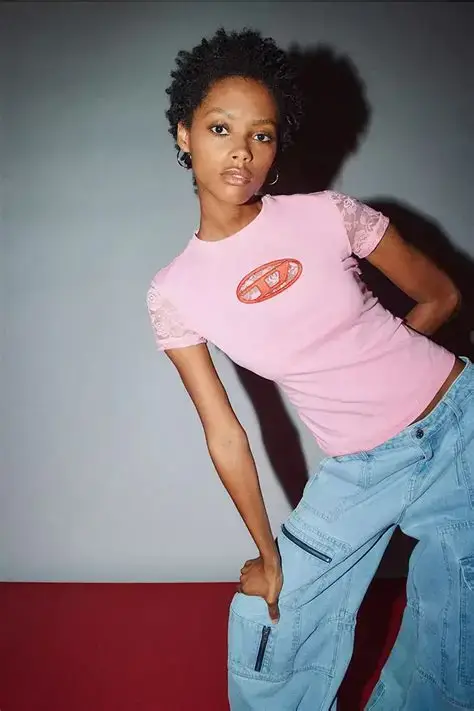
A lot of the revival started with brands that were already huge in the early 2000s. Diesel is one of the clearest examples. Their return to low-rise denim, shiny logo belts, and bold red branding basically kicked off the new wave. They didn’t copy their old collections, they modernized them with better fits and cleaner silhouettes, which made the look feel fresh instead of costume‑y.
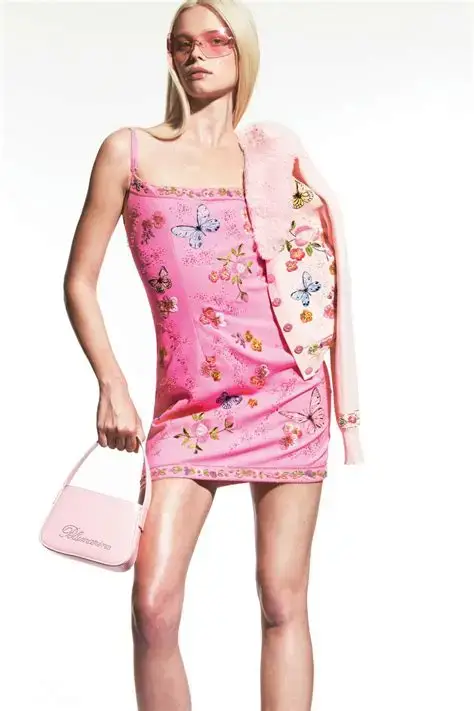
Blumarine also leaned into its roots. The brand brought back tiny cardigans, butterfly motifs, and that soft, dreamy aesthetic that defined its early 2000s runway shows. The updated versions feel more polished, but the attitude is the same: playful, feminine, and a little dramatic.
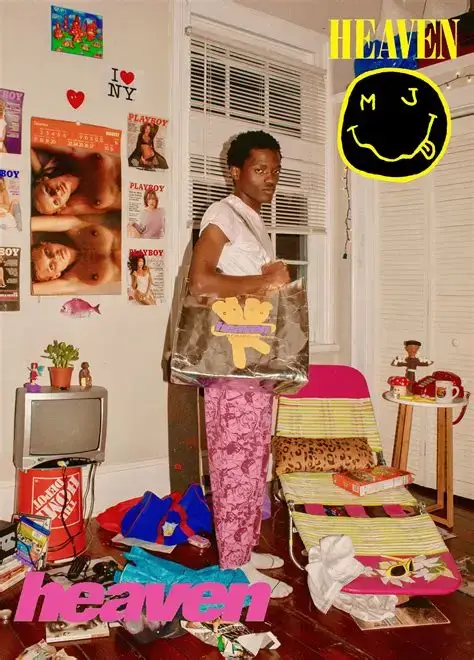
Then there’s Heaven by Marc Jacobs, which became a whole cultural moment on its own. The brand mixes early internet visuals, mall‑kid styling, and graphic tees that look like they were pulled from a vintage Tumblr folder. It’s nostalgic, but not in a forced way — more like a remix of everything people loved about the era.
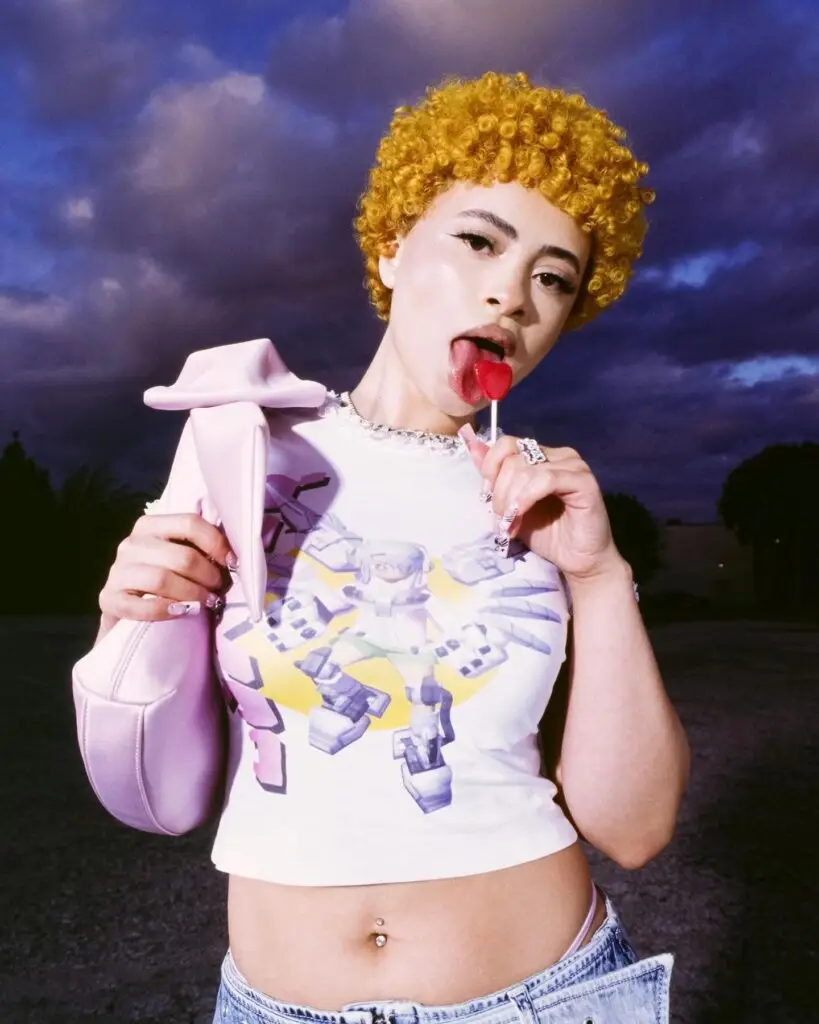
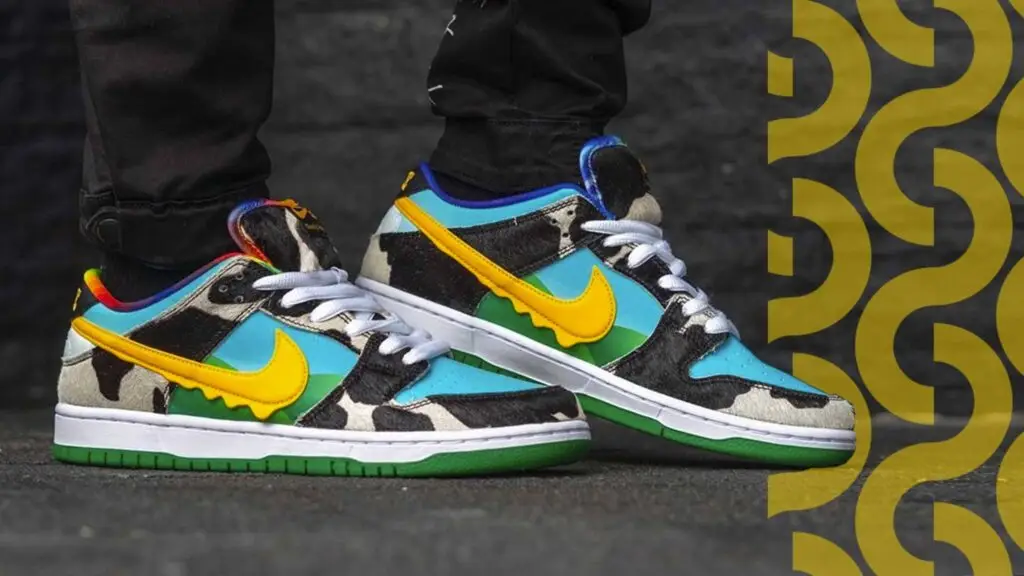
Even sportswear brands joined in. Adidas reintroduced classic tracksuits and retro sneakers that fit perfectly into the Y2K mood. Nike brought back older silhouettes and colorways that were everywhere in the early 2000s. These pieces blend easily into modern outfits, which is a big reason the trend stuck.
What makes the revival work is how wearable it is now. The new Y2K isn’t about copying every trend from the past. It’s about taking the fun parts. The colour, the attitude, the confidence, and mixing them with pieces people already love. A simple tank top with a mini bag. Wide leg jeans with a fitted tee. A sporty jacket layered over a slip dress. It feels familiar without being overwhelming.
Social media pushed everything even further. Once stylists, influencers, and Kpop idols started referencing early 2000s looks, brands leaned in harder. Suddenly the aesthetic wasn’t just a throwback — it was a full trend again, showing up in campaigns, street style, and everyday outfits.
The best part is that the comeback doesn’t rely on one specific item. It’s more of a mood: casual, confident, playful, and not afraid to stand out. Fashion brands tapped into that feeling, and people responded because it made getting dressed feel fun again.
The result is a version of Y2K that’s easier to wear, easier to style, and honestly, easier to enjoy. It’s not about recreating the past. It’s about bringing back the energy of it.